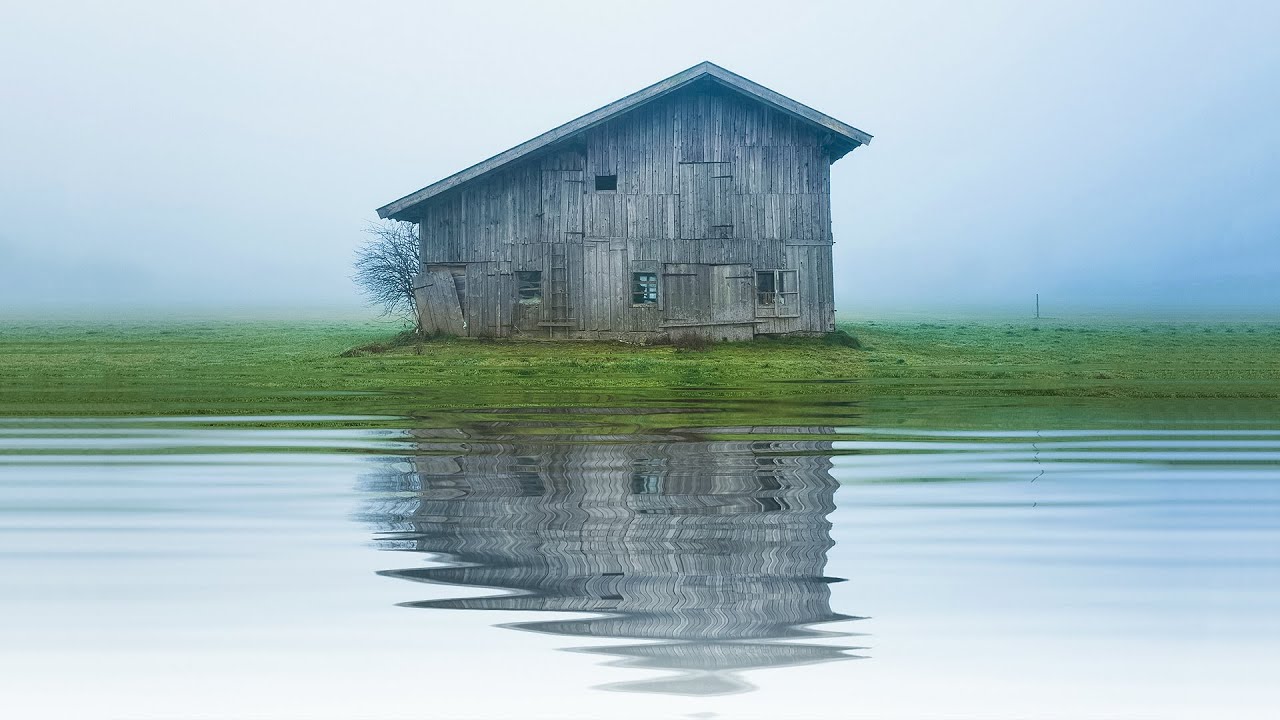
 I like this image of a reflection as shows the barn reflected in the water with ripples taking that reflection in different directions. This to me means the reflection will reach different people in the future and affect them in different ways. I also like the fact that the picture is a little mysterious and we have no way of knowing what is in the barn, just like our learning journey and our daily experiences as teachers, every day a new surprise, full of the unexpected.
When reflecting on my previous history of reflection, I realise my reflections have been nearly always in Zeichner and Liston’s first three categories: rapid reflection, repair and review.
I regularly review new resource material used in class as to how it engaged the students. I'll make notes to myself about what to change, and scribble all over master copies any changes I will make for the future.
My lesson planning templates always include a "review" section where I add any thoughts I had about what worked well or otherwise, or simple details such as if the activity took more or less time than expected.
This is something which I have always done as a teacher and has become a habit.
What I haven't done to any great extent, apart from the one critical inquiry project we are obliged to do each year, is to delve deeper into my practice or deliberately research how others are doing things. As someone who is used to creating materials and coming up with new ideas my first instinct has been to try something new myself. Until this year it never occurred to me to research what others have done and now that I have begun this process I am overwhelmed by how much I don't know!
I can't see myself completing a reflective journal on a daily basis but I now understand the value of using deeper reflections about feelings (gasp!) and how to turn reflections into actions that will shape future learning, I think it is worth considering.
While I haven't yet decided what format these reflections will take, I have found a model I like from the University of Melbourne which encourages DIEP reflection.
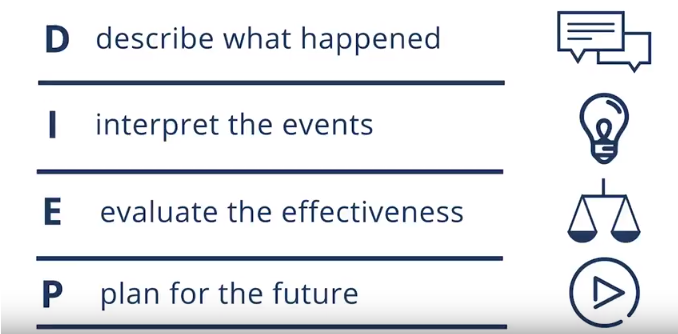
This model seems straightforward and easy to follow, and I think will help me to think deeper (DIEPer?).
The emphasis is on the three latter stages with the D (describe) being a short introduction to provide context. I think following these steps will help me to reflect in a more meaningful way on my practice.
I'll let you know how it works out.
References
Image retrieved from https://i.ytimg.com/vi/0MvjWH8opK0/maxresdefault.jpg
University of Melbourne - Academic Skills video
https://www.youtube.com/watch?v=SntBj0FIApw
